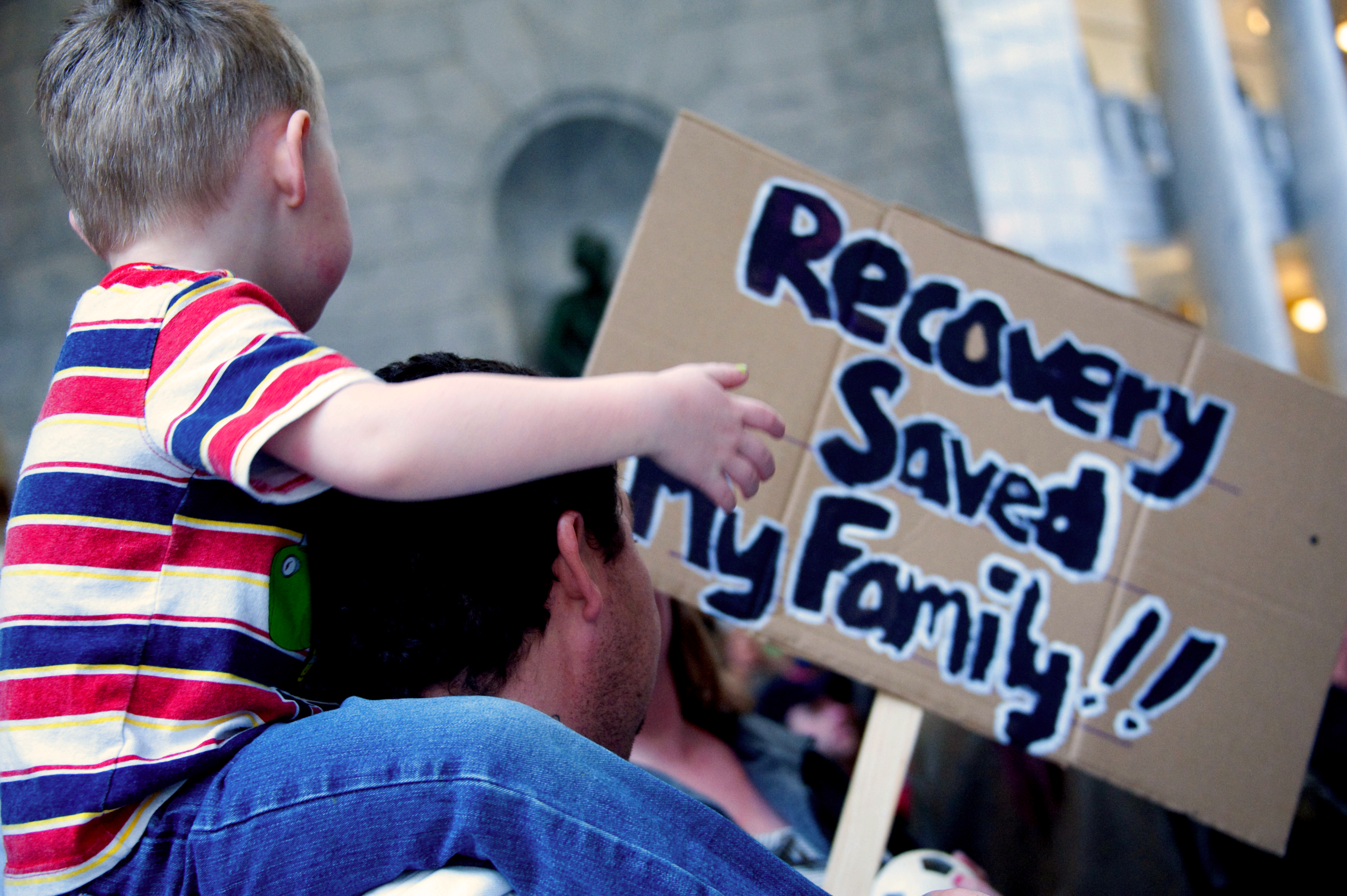
Beyond Our Own Recovery: Why Advocacy Matters
Recovery from mental health and substance use conditions is a deeply personal journey, often requiring immense courage and resilience. However, the impact of recovery extends far beyond the individual. It holds the power to transform communities, challenge systemic barriers, and shape a more compassionate future for everyone. This is precisely why the active participation of people in recovery in advocacy and public policy efforts is not just beneficial—it’s absolutely essential.
For too long, decisions about mental health care, addiction treatment, and social support systems have been made for people in recovery, rather than with them. This top-down approach has often resulted in policies that are out of sync with lived realities, perpetuate stigma, and fail to address the true needs of those seeking support.
Here’s why voices from lived experience are indispensable in advocacy and public policy:
1. Authenticity and Credibility: There’s an undeniable power in authenticity. When individuals who have navigated the challenges of mental health conditions or addiction share their stories and insights, their message carries a unique credibility that statistics and theoretical arguments cannot replicate. They can speak to the real-world implications of policies, exposing gaps and highlighting successes in a way that resonates deeply with policymakers and the public.
2. Identifying Gaps and Solutions: Those with lived experience are often the first to identify the practical shortcomings of existing policies and services. They can pinpoint what works, what doesn’t, and why. For example, a person who struggled to find affordable, integrated care can highlight the need for better funding models. Someone who faced discrimination in housing due to their recovery status can advocate for anti-discrimination laws. Their insights are vital for crafting policies that are truly effective and person-centered.
3. Challenging Stigma and Misconceptions: Advocacy from people in recovery is a potent force against stigma. By sharing their journeys, demonstrating their strength, and participating actively in public discourse, they dismantle stereotypes and illustrate that recovery is not only possible but also leads to productive, meaningful lives. This personal connection helps to humanize complex issues, fostering greater understanding and empathy within the broader community.
4. Ensuring Accountability: When individuals with lived experience are involved in policy discussions, they act as critical stakeholders who can hold systems accountable. They can ask tough questions, demand transparency, and ensure that promises made are promises kept. Their involvement ensures that policies are not just well-intentioned, but also genuinely responsive to the needs of the community they serve.
5. Inspiring Hope and Empowerment: For others still struggling, seeing individuals in recovery step into roles of advocacy and leadership is incredibly empowering. It provides tangible proof that recovery is possible and that one’s experience can be transformed into a powerful tool for positive change. This can inspire others to seek help, engage in their own recovery journeys, and eventually, become advocates themselves.
How to Get Involved:
Participating in advocacy can take many forms:
- Sharing Your Story: Even a simple act of sharing your experience with a local representative or community group can be powerful.
- Joining Friends of Recovery Utah: We are dedicated to mental health and addiction policy reform and need the involvement of people in recovery.
- Attending Public Forums: Showing up at town halls, legislative hearings, or community meetings to voice your perspective.
- Volunteering: Contributing time and skills to initiatives that support policy change.
- Voting: Supporting candidates who prioritize mental health and substance use issues.
The road to recovery is a testament to individual strength, but the path to systemic change requires collective action. By stepping into the arena of advocacy and public policy, people in recovery don’t just shape a better future for themselves—they pave the way for a more just, understanding, and supportive society for everyone. Their voices are not just welcome; they are absolutely indispensable.