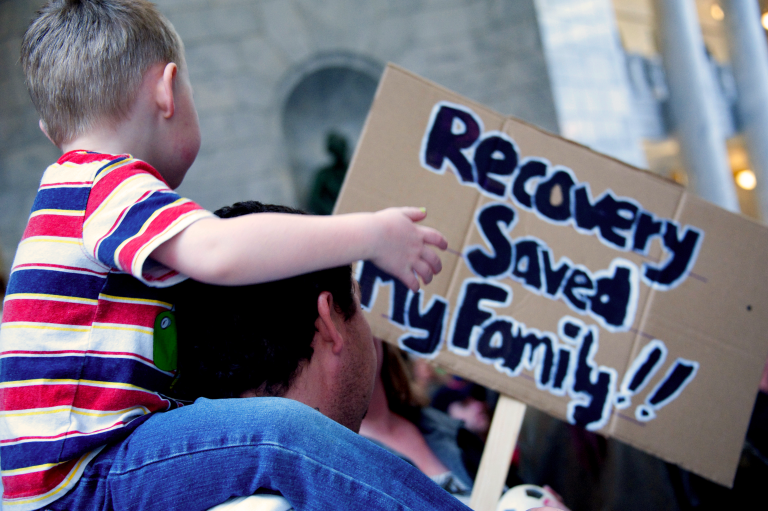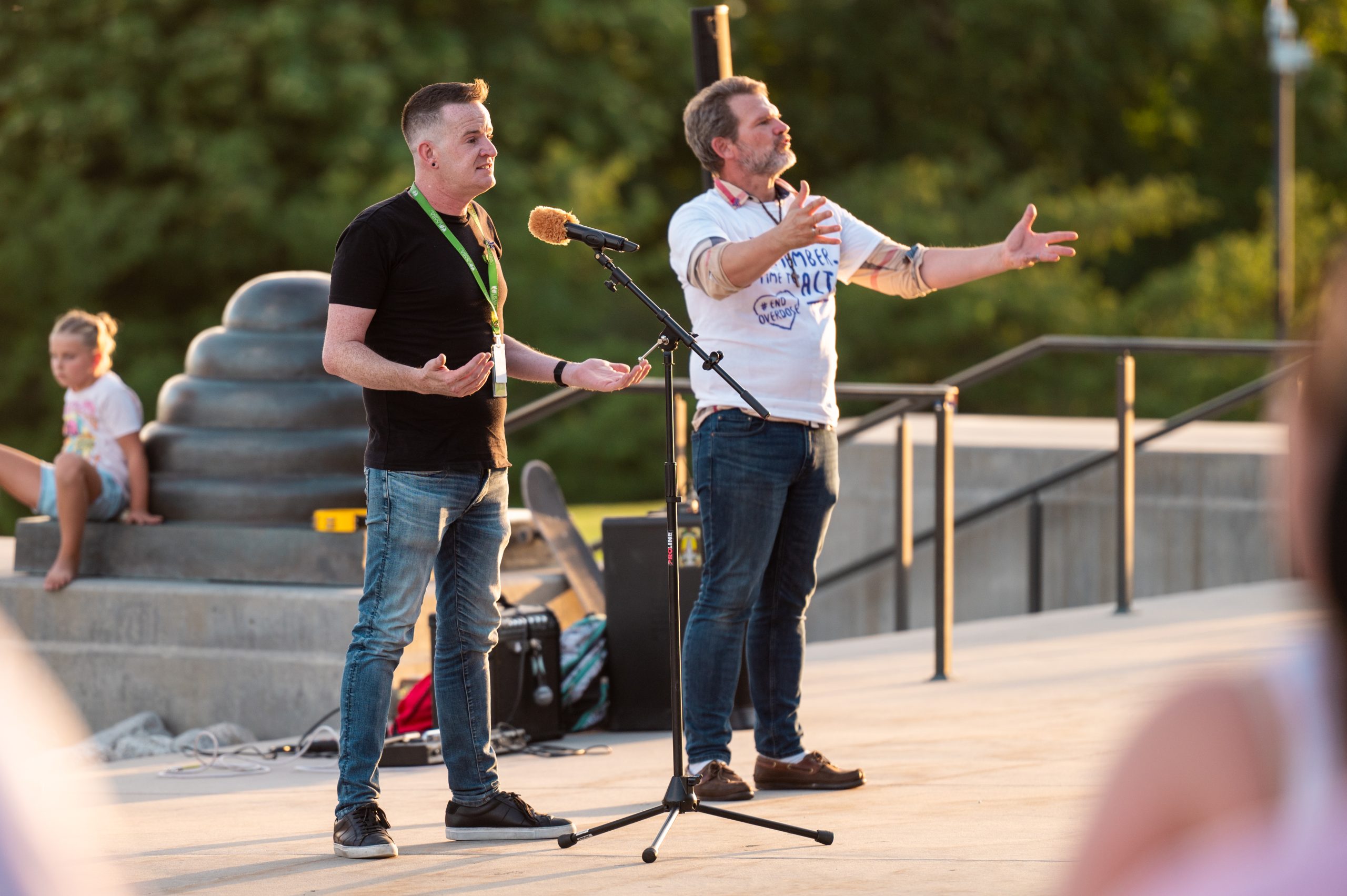
Recovery is not rare. Recovery is not random.
The saying “Recovery is not rare. Recovery is not random.” challenges long-held misconceptions and offers a beacon of hope, emphasizing that recovery is an achievable and often predictable outcome when the right supports and conditions are in place.
Dismantling Old Myths
For decades, societal narratives have often painted a bleak picture of individuals struggling with mental illness or addiction. Recovery was sometimes seen as an anomaly, a miraculous escape for a lucky few, or a purely individual battle dependent solely on willpower. This perspective was not only demoralizing but also undermined the systemic efforts needed to foster widespread recovery.
The statement “Recovery is not rare” directly confronts this myth. It asserts that, contrary to popular belief, a significant number of people do achieve sustained recovery and lead fulfilling lives. It challenges the notion that these conditions are necessarily chronic and debilitating, without hope for improvement. By highlighting the prevalence of recovery, it instills optimism and encourages a focus on what makes recovery possible.
Emphasizing Intentionality and Support
The second part of the phrase, “Recovery is not random,” is equally crucial. It underscores the idea that recovery isn’t a matter of chance, but rather the result of deliberate actions, supportive environments, and evidence-based interventions. It de-emphasizes the role of luck and instead champions the importance of:
- Accessible and Effective Treatment: Quality mental health care, addiction treatment, and therapeutic interventions play a foundational role. This includes a range of options from medication and therapy to holistic and peer-led approaches.
- Strong Support Systems: Family, friends, peer communities, and support groups provide invaluable emotional, practical, and social resources that are critical for navigating challenges and celebrating successes.
- Personal Agency and Empowerment: While external supports are vital, the individual’s active participation, commitment, and development of coping strategies are central to their recovery journey.
- Addressing Social Determinants: Factors like stable housing, employment, education, and freedom from discrimination significantly impact an individual’s ability to maintain recovery and thrive. Recovery is often holistic, encompassing more than just clinical symptoms.
- Continuum of Care: Recovery is often an ongoing process, not a destination. It requires sustained support and adaptability as individuals’ needs evolve.
The Impact of This Paradigm Shift
Adopting the “Recovery is not rare, recovery is not random” mantra has significant implications:
- Inspiring Hope: It offers a powerful counter-narrative to despair, encouraging individuals and their loved ones to believe in the possibility of a better future.
- Advocating for Resources: If recovery is not random, then investing in effective treatment, support services, and community resources becomes a logical and essential priority.
- Shifting Clinical Practice: It encourages practitioners to adopt a recovery-oriented approach, focusing on strengths, goals, and empowerment rather than solely on pathology.
- Reducing Stigma: By normalizing recovery, it helps to dismantle the shame and isolation often associated with mental health and substance use conditions, promoting acceptance and understanding.
In conclusion, “Recovery is not rare, recovery is not random” is more than just a catchy slogan. It’s a guiding principle that transforms our understanding of mental health and substance use, moving us towards a future where hope is abundant, and the pathways to recovery are clear, accessible, and intentional for everyone.