Why ‘Nothing About Us Without Us?’
The powerful phrase “Nothing About Us Without Us” has become a rallying cry for self-determination and inclusion across various movements, and its resonance within the mental health and substance use recovery communities is particularly profound. It encapsulates the fundamental belief that no policy, program, or intervention should be decided without the full and meaningful participation of the people it aims to serve.
Historical Roots of a Powerful Slogan
While the sentiment behind “Nothing About Us Without Us” has existed for centuries in various forms, the phrase as we know it today gained prominence in the disability rights movement in the late 20th century. Activists advocated for the right of individuals with disabilities to be central to discussions and decisions concerning their lives, challenging paternalistic approaches that often excluded them. This principle quickly extended its influence, finding fertile ground in other movements fighting for autonomy and respect.
Meaning in Mental Health and Substance Use
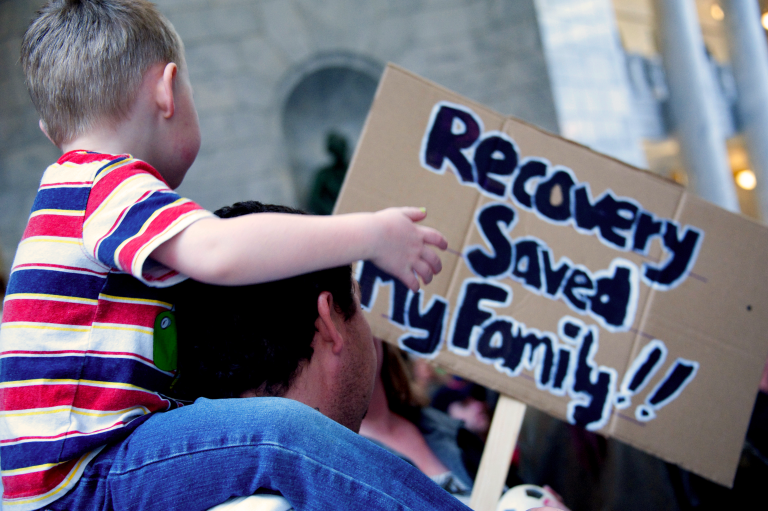
For individuals living with mental health conditions and those in recovery from substance use, “Nothing About Us Without Us” is not just a slogan; it’s a demand for dignity and effective solutions. Historically, these communities have often been marginalized, pathologized, and subjected to interventions designed for them, rather than with them. This has led to programs that may not align with lived experiences, perpetuate stigma, or fail to address the true needs of those seeking support.
Here’s what it means in practice:
- Co-production of Services: It advocates for individuals with lived experience to be involved in the design, delivery, and evaluation of mental health and substance use services. This could mean peer support specialists playing a central role, or individuals in recovery contributing to curriculum development for treatment programs.
- Policy Advocacy: It means that laws and regulations impacting mental health care, addiction treatment, and social support systems should be developed in consultation with people who have direct experience of these systems. Their insights are invaluable for creating equitable and effective policies.
- Challenging Stigma and Discrimination: By centering the voices of those with lived experience, the movement directly confronts stigma. It highlights that individuals are not defined by their conditions and are capable, knowledgeable, and essential contributors to society.
- Empowerment and Agency: Ultimately, “Nothing About Us Without Us” is about restoring agency and empowering individuals to be active participants in their own recovery and well-being. It shifts the dynamic from passive recipients of care to active partners in their journey.
The Impact
Embracing this principle leads to more effective, compassionate, and person-centered care. When services and policies are co-created, they are more likely to be relevant, accessible, and respectful of individual choices and preferences. It fosters a sense of community, reduces feelings of isolation, and reinforces the belief that recovery is possible and that every voice matters.
The journey towards full implementation of “Nothing About Us Without Us” continues, but its power lies in its unwavering commitment to human dignity and the fundamental right of every individual to have a say in matters that profoundly affect their lives.